
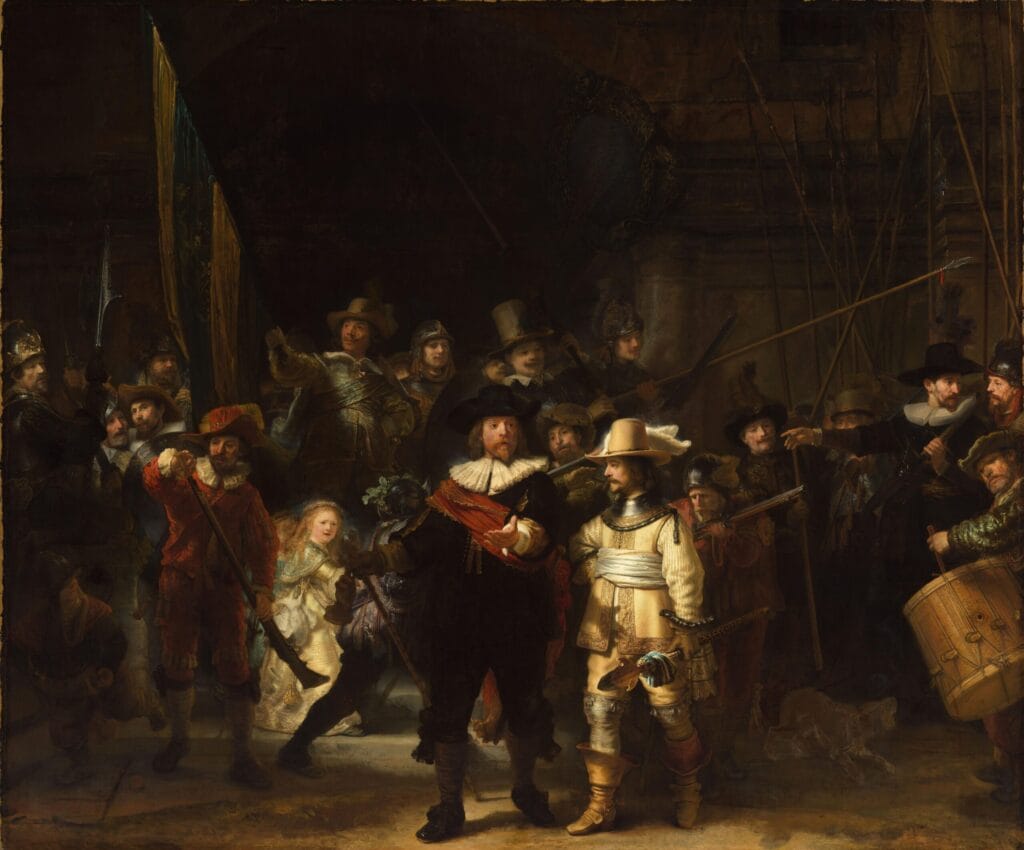
Every canvas we send goes out rolled and unframed, in a rigid tube. People ask why, and the honest answer has three parts.
Frames do not survive shipping
A framed canvas is a rigid object with corners, glass or acrylic, and a hanging system. It travels badly. Corners crush, joints rack, glazing cracks, and the damage is often invisible until it is unpacked.
A rolled canvas in a rigid tube is one of the most robust things you can put in the post. It has no corners to crush and nothing rigid to snap.
Framing is a local decision
A frame has to agree with the room it lives in, not the room it was made in. Wood or metal, wide or thin, warm or cool — those choices depend on your walls, your light and your furniture, none of which we can see.
Framing also has strong regional conventions. What looks right in a Delhi flat and what looks right in a Copenhagen apartment are not the same, and a framer twenty minutes from your house will do a better job of that judgement than we can from here.
It keeps the price honest
Framing a 46-inch canvas properly is not a small cost, and bundling it into the price would mean charging everyone for a frame that some people do not want. Our prices run from US$378 to US$852 and that is the canvas — the painting, printed properly, at the size the proportions call for.
Plenty of buyers stretch the canvas over a wooden bar and hang it with no frame at all. On a large work like The Night Watch at 48 by 40 inches, that is often the better look.

What a stretcher actually is
A stretcher is a wooden frame that the canvas is pulled taut over and stapled to at the back. It is what turns a flexible sheet into a rigid object you can hang. It is not the same as a frame, and on a lot of work it is all you need.
Ask for a stretcher bar of at least 3.5cm depth on anything over about 36 inches. Thin bars on large canvases bow over time, and a bowed canvas is visible from across a room.
If you want the image to continue around the sides, tell the framer before they start — that has to be planned for, and on a reproduction printed to the exact proportions of the original there is no spare margin to wrap. Most people have it stapled at the back edge instead.
If you would rather frame it properly
A float frame is the usual choice for stretched canvas: the canvas sits inside a shallow tray with a small visible gap around it, so the edge reads as deliberate. It suits modern and abstract work particularly well.
A traditional moulding with a fillet suits the older works — the Rembrandts, the Vermeers, the Dutch interiors. If you go this way, keep the moulding narrower than instinct suggests. Heavy ornate frames were designed for rooms with far higher ceilings than most houses have now.
Either way, no mount board. Mounts belong with works on paper, not canvas.
What it costs, roughly
Framing is usually priced by the perimeter, so cost rises fast with size. A simple stretch on a 30-inch work is modest. A float frame on a 54-inch canvas is not.
Get two quotes. Framing prices vary more between shops than almost anything else you will buy for your home, and the expensive quote is not reliably the better craftsman.
What to do when it arrives
Take it out of the tube and unroll it face up on a clean flat surface within a day or two of delivery. Leave it flat, weighted at the corners, for a couple of days before taking it to a framer. It will relax.
Ask the framer to stretch it over a wooden stretcher bar. Tell them it is a fine art canvas print, not a poster, so they do not try to dry-mount it to board.
If you want glazing, use acrylic rather than glass on anything above about 30 inches. Glass at that size is heavy, dangerous and unnecessary.
Where to hang it once it is up
Keep it out of direct sunlight. Archival inks are rated for decades, but decades assumes normal indoor light, not a south-facing window in full afternoon sun. The wall opposite a window is almost always better than the wall beside it.
Avoid hanging directly above a radiator or a fireplace in regular use. Heat and repeated humidity swings are harder on a stretched canvas than light is — the canvas expands and contracts against a fixed wooden frame.
Dust it with a dry, soft brush. Never a damp cloth, never any cleaning product.
Why we do not sell frames
We could. Plenty of sellers do, and it would raise the average order. We do not, for a reason that is more practical than principled: we cannot ship a frame across the world without a meaningful percentage arriving damaged, and replacing those would either eat the margin or be passed on to everyone as a higher price.
A framer near you will also simply do it better, because they can hold the canvas up against the wall it is going on.
The one thing not to do
Do not leave it in the tube. Canvas takes a set if it stays rolled for weeks, and while that is recoverable it is avoidable. Unroll it when it arrives, even if framing is months away.
Shipping is free worldwide and everything is made to order. Full details are on Shipping & Delivery and Returns.